Quiet Gains: The No-Drama Guide to Working Out in an Apartment Without Losing Your Neighbors
Let's be honest — one of the sneakiest obstacles to working out at home isn't motivation, equipment, or even space. It's the creeping anxiety that every jumping jack is rattling your downstairs neighbor's light fixtures. If you've ever paused mid-burpee to listen for an angry knock on the wall, you're not alone.
Working out in a multi-unit building is its own sport. But here's the good news: with a few smart swaps and some low-cost solutions, you can build a genuinely effective fitness routine that keeps both your body and your building relationships intact.
Why Apartment Workouts Get Loud (And What's Actually Happening)
Sound travels through buildings in two main ways: airborne noise (music, breathing, your trainer yelling through your earbuds) and impact noise. Impact noise is the real culprit for apartment dwellers — it's the thud, thump, and vibration created when your foot hits the floor or a dumbbell gets dropped.
According to physical therapist Dr. Renee Alvarez, who works with remote athletes in Chicago, "Most of the complaints I hear from my apartment-dwelling clients aren't about music or talking — it's impact. A 160-pound person doing a standard jump squat lands with two to three times their body weight in force. That energy has to go somewhere, and in a building, it goes sideways and down."
The fix isn't to stop moving. It's to redirect that energy.
Swap the High-Impact Moves — Without Losing the Burn
You don't need to jump to get your heart rate up. Seriously. Some of the most effective cardio and strength moves are completely floor-friendly.
Instead of jumping jacks → try lateral shuffles or speed skaters. Same cardio demand, fraction of the impact. Keep your feet low and your movement controlled.
Instead of box jumps → try step-ups. Use a sturdy chair or a purpose-built step platform. You'll build the same glute and quad strength without the landing thud.
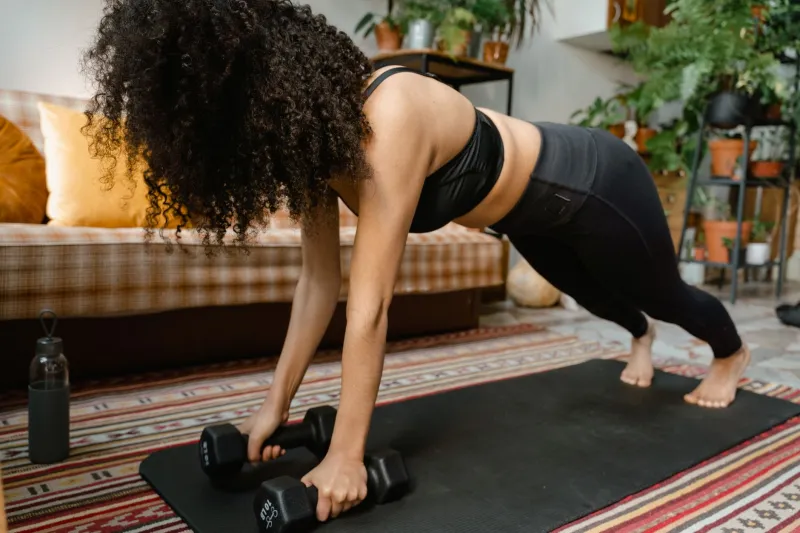
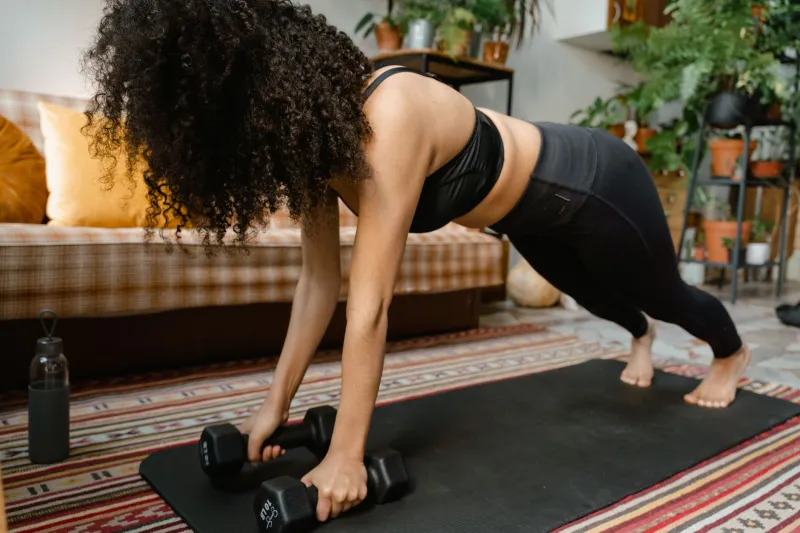
Instead of burpees → try sprawls. Lower yourself to the floor in a controlled push-up position, then stand back up. No jumping, no slamming — and your core works just as hard.
Instead of jump rope → try shadow boxing or high-knees at a controlled pace. Keep your heels lifted and your landings soft. Think "quiet feet" as your mantra.
Jessica M., a remote project manager in a Brooklyn apartment, made the switch six months ago: "I was terrified to work out at home because my floors are old and creaky. Once I started doing low-impact cardio circuits, I haven't heard a single complaint — and I've actually lost more weight than when I was doing HIIT classes online. The consistency matters more than the intensity."
The Right Equipment Makes a Huge Difference
Your gear choices are just as important as your exercise choices.
Foam or rubber flooring tiles are the single best investment an apartment exerciser can make. A set of interlocking rubber mats (look for at least 3/8-inch thickness) absorbs impact before it ever reaches your subfloor. You can find a 6x6 foot set for under $50 on Amazon or at any sporting goods store. Lay them down before every session and roll them up when you're done.
Resistance bands over free weights. Heavy dumbbells dropped — even from knee height — create a shockwave. Resistance bands give you the same muscular challenge with zero risk of accidental floor percussion. Fabric bands are especially good for lower body work.
Adjustable dumbbells with rubberized heads are worth the investment if you do want weights. The rubber coating significantly dampens sound on contact. And always set them down slowly — no dropping, ever.
Avoid: kettlebells swung at full speed near hardwood floors. The risk of a slip and a loud crash is real. If you love kettlebell training, stick to slow, controlled movements on a thick mat.
Time It Right
Even the quietest workout can feel intrusive at 6 a.m. on a Saturday when your neighbor works nights. Timing is a courtesy strategy, not just a scheduling one.
General guidance from building etiquette experts suggests that the safest window for apartment workouts is 8 a.m. to 9 p.m. on weekdays and 9 a.m. to 9 p.m. on weekends. These aren't legal rules — they're just the hours when most people are awake and moving around themselves, which naturally masks ambient noise.
If you know your neighbor's schedule (or have a friendly relationship with them), a quick conversation goes a long way. "Hey, I work out at home — is there any time that's particularly bad for you?" That 30-second chat can prevent months of passive-aggressive notes on your door.
Acoustic Fixes That Don't Require a Contractor
You don't need to soundproof your whole apartment. A few targeted changes can make a meaningful difference.
- Heavy rugs with thick pads underneath absorb sound better than bare hardwood or tile. A dense wool or high-pile rug adds a meaningful layer of noise dampening.
- Furniture placement matters. Bookshelves against shared walls, heavy couches near your workout zone — all of these add mass that slows sound transmission.
- Workout near interior walls rather than walls shared with neighbors when possible.
- Use a fan or white noise machine during your session. This doesn't reduce impact noise, but it masks airborne sounds like your breathing, music, and verbal cues from video workouts.
The Bottom Line
Apartment workouts don't have to be a source of stress. With a few intentional swaps — quieter moves, the right flooring, smarter timing — you can train consistently and effectively without the guilt or the noise complaints. Your neighbors will thank you. And honestly? The low-impact alternatives are often better for your joints anyway.
Real results don't require a thunderous landing. Sometimes the quietest workouts are the ones you actually stick with.