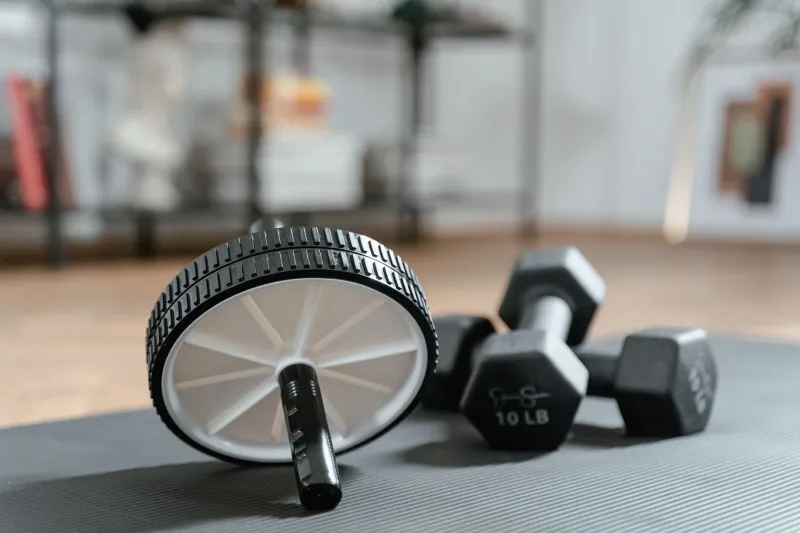
Crush Your Midday Slump: A 20-Minute Home Office Workout That Actually Works
It's 12:30 PM. Your back is tight, your eyes are glazed over from back-to-back Zoom calls, and the afternoon stretch of your workday feels like a mountain you're not sure you want to climb. Sound familiar?
Here's the thing: that sluggish, foggy feeling isn't just in your head. Sitting for hours on end literally slows your circulation, tightens your hip flexors, and dials down your energy output. But the fix doesn't have to be complicated — or expensive. If you work from home (or even in a private office), you already have everything you need to flip the script on your afternoon.
We're talking 20 minutes. No commute, no locker room, no waiting for a machine. Just you, a little floor space, and a plan.
Why Midday Movement Is a Game-Changer
Research consistently shows that breaking up long periods of sitting with moderate physical activity improves focus, lifts mood, and even boosts creative problem-solving. A 2020 study published in the British Journal of Sports Medicine found that even a short bout of moderate exercise during the workday led to measurable improvements in concentration and time management for the rest of the afternoon.
For remote workers especially, the lines between work and rest blur fast. Without a commute to bookend your day, your body can spend 10+ hours barely moving. A lunch break workout creates a natural reset — a mental and physical boundary between the morning grind and the afternoon push.
The best part? You don't need to shower afterward if you keep the intensity moderate. A quick change of clothes and a splash of water goes a long way.
The 20-Minute Lunch Break Routine
This routine is broken into three phases: a quick warm-up, a strength-and-cardio circuit, and a recovery cooldown. All you need is a clear 6x6-foot space — your living room, bedroom, or home office floor will do just fine.
Phase 1: Wake It Up (4 Minutes)
Don't skip this. Jumping into intense movement after hours of sitting is a recipe for a pulled muscle or cranky joints.
- Neck rolls — 30 seconds each direction
- Shoulder circles — 30 seconds forward, 30 seconds back
- Hip circles — 30 seconds each side
- Leg swings — 10 reps each leg, front-to-back and side-to-side
- Arm crossovers — 20 reps
- Light marching in place — 60 seconds
This isn't just fluff. Mobilizing your hips and shoulders specifically counteracts the damage done by desk posture — rounded shoulders, compressed spine, and locked-up hip flexors.
Phase 2: The Circuit (12 Minutes)
Set a timer and cycle through this sequence twice. Rest 30 seconds between rounds.
Round 1 & 2:
-
Bodyweight squats — 15 reps Focus on sitting back into your heels. This reactivates your glutes, which tend to "shut off" after long periods of sitting.
-
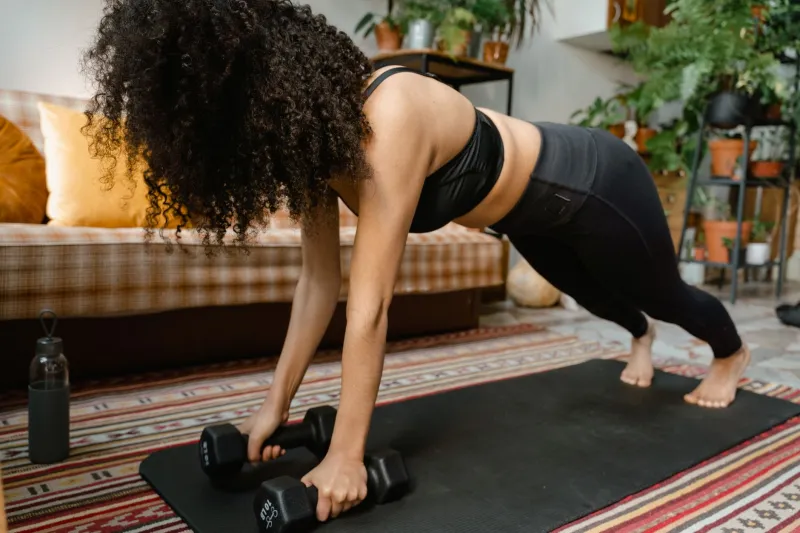
Push-ups — 10 reps (modify on knees if needed) Classic for a reason. Chest, shoulders, and core all fire up simultaneously.
-
Reverse lunges — 10 reps each leg Easier on the knees than forward lunges and great for balance and leg strength.
-
Plank hold — 30 seconds Engage your core like you're bracing for a punch. Keep your hips level.
-
Jumping jacks or step jacks — 40 reps If you're on a call later and don't want to be sweaty, opt for step jacks (no jumping, just step side to side with arm raises).
-
Glute bridges — 15 reps Lie on your back, feet flat on the floor, and drive your hips up. This is the single best exercise to counteract the effects of sitting all day.
Phase 3: Cool Down and Recover (4 Minutes)
This is where the magic happens for your afternoon productivity. Slowing your heart rate and stretching out the muscles you just worked signals your nervous system to shift into a calm, focused state.
- Standing quad stretch — 30 seconds each leg
- Seated or standing hamstring stretch — 30 seconds each leg
- Child's pose — 60 seconds
- Chest opener stretch (clasp hands behind back, open chest toward ceiling) — 45 seconds
- Deep belly breathing — 5 slow breaths in through the nose, out through the mouth
That last part isn't optional. Intentional breathing after exercise has been shown to reduce cortisol levels — which is exactly what you want heading into a productive afternoon.
Desk-Life Recovery: Small Habits That Add Up
The 20-minute workout is your anchor, but the hours around it matter too. Here are a few micro-habits that remote workers swear by:
Set a movement alarm. Every 45-60 minutes, stand up and walk for 2 minutes. Around the kitchen, down the hallway, wherever. This alone can significantly reduce the negative effects of prolonged sitting.
Use your chair intentionally. Sit at the edge of your seat with both feet flat on the floor and your spine tall. This engages your core passively throughout the day.
Hydrate more than you think you need to. Dehydration masquerades as fatigue. Keep a large water bottle at your desk and finish it before your lunch break — it'll naturally prompt more movement as a bonus.
Try a standing desk block. You don't need a fancy adjustable desk. Stack some books, grab a monitor riser, or invest in a budget standing desk converter. Even 30 minutes of standing during morning calls can make a difference.
Making It Stick
Consistency beats perfection every single time. You're not training for a triathlon here — you're building a sustainable habit that supports your work performance and long-term health.
Block the 20 minutes on your calendar like it's a meeting. Tell your household you're unavailable. Put your sneakers on. That last one sounds silly, but it works — the physical act of changing into workout shoes dramatically increases follow-through.
At Fit At Home, we believe fitness doesn't require a commute, a contract, or a crowd. Your lunch break is yours. Use it to show up for yourself — and watch what happens to the rest of your day.