Where You Sweat Actually Matters: Picking the Right Spot in Your Home for Long-Term Workout Success
The Space Decision Nobody Talks About
You found a program you like. You've got decent equipment. You're motivated — at least right now. But if you haven't thought carefully about where in your home you're going to train, you might be setting yourself up for a quiet, slow fade before week three.
Location isn't just a logistics question. It's a psychological one. Research in behavioral science consistently shows that environmental cues play a massive role in habit formation. The space you choose for your workouts sends signals to your brain — signals that either prime you to move or give you an easy out.
So let's walk through your real options, the honest trade-offs of each, and how to figure out which one actually fits your life.
The Basement: Maximum Potential, Minimum Glamour
If you have a finished or semi-finished basement, it's probably your best option on paper. You've got space, you've got separation from the rest of the house, and you can make noise without worrying about the neighbors downstairs — because you are the downstairs.
Basements also tend to stay cooler, which matters more than people realize. Exercising in a slightly cooler environment can actually improve performance and reduce perceived effort, according to sports science research. That alone gives basements a quiet edge.
The downside? Basements can feel isolating, and if yours is unfinished or cluttered, it might trigger the wrong mental associations — chores, storage, that box of stuff you've been meaning to donate since 2019. If you're going to use your basement, invest a little in making it feel intentional. A rubber mat, decent lighting, and a small Bluetooth speaker can completely transform the vibe.
Also worth checking: ceiling height. If you're under 7 feet of clearance, overhead pressing and jumping movements become a legitimate injury risk. Know your space before you plan your workouts around it.
The Living Room: Convenient but Complicated
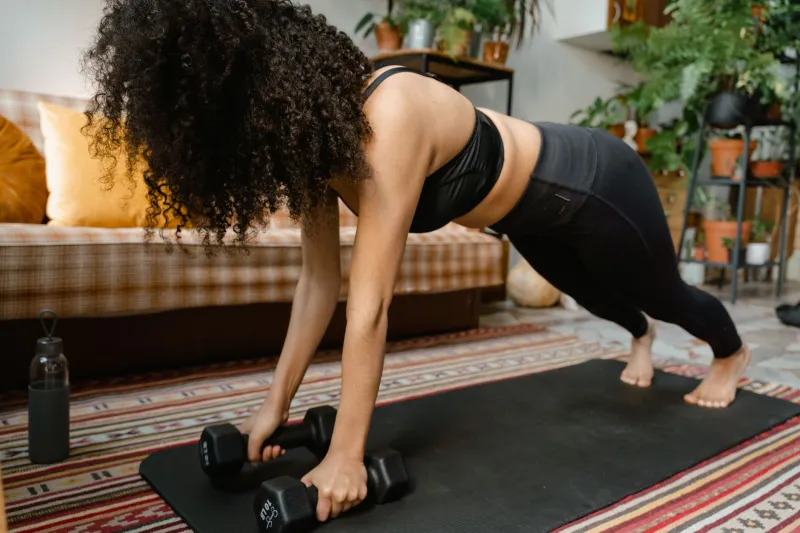
For most people, the living room is the default. It's big, it's central, and the TV is already there. And honestly, it works — up to a point.
The problem with living rooms is that they're shared, multipurpose spaces. The same couch you're supposed to jump over in your lateral shuffle is also where you binge TV on Friday nights. The same rug you roll your mat out on is also where your family eats pizza during game day. That overlap can blur the mental line between "workout mode" and "rest mode," making it harder to mentally commit when it's time to train.
If the living room is your only real option, the workaround is ritual. Move the furniture the same way every time. Put on the same playlist. Change into workout clothes before you start — even if you're just walking 10 feet from the bedroom. These small cues help your brain shift gears.
The Bedroom: Surprisingly Underrated (With One Big Caveat)
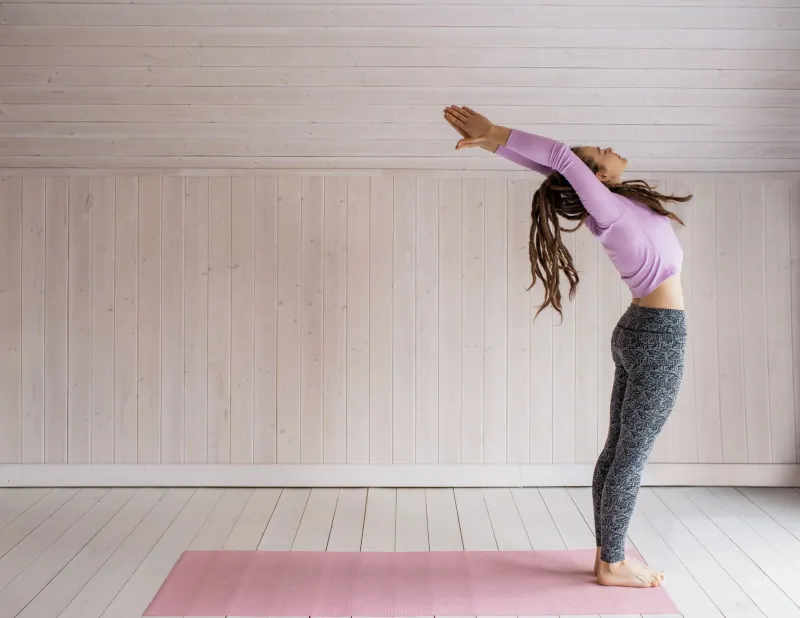
Bedrooms often get dismissed as workout spaces, mostly because of size. But if you're doing bodyweight training, yoga, or resistance band work, you probably need less space than you think. A 6-by-4-foot clear area is enough for most foundational movements.
Bedrooms also offer something underappreciated: privacy. If you live with roommates, kids, or a partner who watches you work out with an expression you can only describe as "skeptical encouragement," having a door to close is genuinely valuable. Self-consciousness is one of the most underreported reasons people quit home fitness programs.
Here's the caveat, though: sleep science is pretty clear that your bedroom should feel like a place for rest. If you're doing high-intensity workouts in the same room where you sleep, you may find it harder to wind down at night. For morning trainers, this is usually a non-issue. For evening exercisers, it's worth thinking about.
The Balcony or Backyard: The Underdog Option
Outdoor spaces are wildly underutilized for home fitness, especially in warmer climates. A balcony, patio, or backyard gives you fresh air, natural light, and a mental reset that no indoor space can replicate.
Natural light exposure during exercise has been linked to better mood, improved vitamin D levels, and even stronger long-term habit formation. There's also something about being outside that lowers the psychological barrier to starting. It just feels less like a chore.
Obviously, weather is a factor. If you're in Chicago in February, your balcony isn't your year-round solution. But for a significant chunk of the country, outdoor training is viable for at least six to eight months of the year. Many people find success using an outdoor space as their primary spot during warmer months and transitioning indoors for winter — a seasonal rhythm that keeps things fresh.
How to Actually Choose
Stop trying to find the "perfect" space and start asking a more useful question: Which space makes it hardest for me to make excuses?
The best workout location is the one you'll consistently walk into. That means:
- Proximity matters. If getting to your workout space requires navigating three rooms and moving furniture, you'll skip more than you think.
- Lighting matters. Dim, depressing spaces quietly kill motivation. Add a lamp if you need to.
- Clutter is the enemy. A messy space signals "chaos" to your brain, not "let's go."
- Temperature matters more than aesthetics. A slightly cool, well-ventilated space beats a beautiful room that gets stuffy after five minutes.
Spend one week honestly tracking where you feel most ready to move. Not where you think you should work out — where you actually feel like doing it. That data is more valuable than any floor plan.
The Setup Is Part of the Training
At Fit At Home, we talk a lot about removing friction from your fitness routine. Your workout space is one of the highest-leverage places to do that. A thoughtful setup doesn't just make training more comfortable — it makes it more likely to happen at all.
You don't need a dedicated home gym. You don't need a perfect room. You just need a spot that feels like yours, where the cues are right and the path of least resistance points toward movement. Find that spot, set it up with intention, and watch how much easier it becomes to show up — day after day.