Home Gym vs. Gym Membership in 2024: The Real Numbers Might Surprise You
Let's be honest. Most Americans are paying for gym memberships they're not fully using. A widely cited Statista report estimated that roughly 63% of gym memberships go largely unused — and yet the average US gym-goer still shells out anywhere from $40 to $100 per month for the privilege.
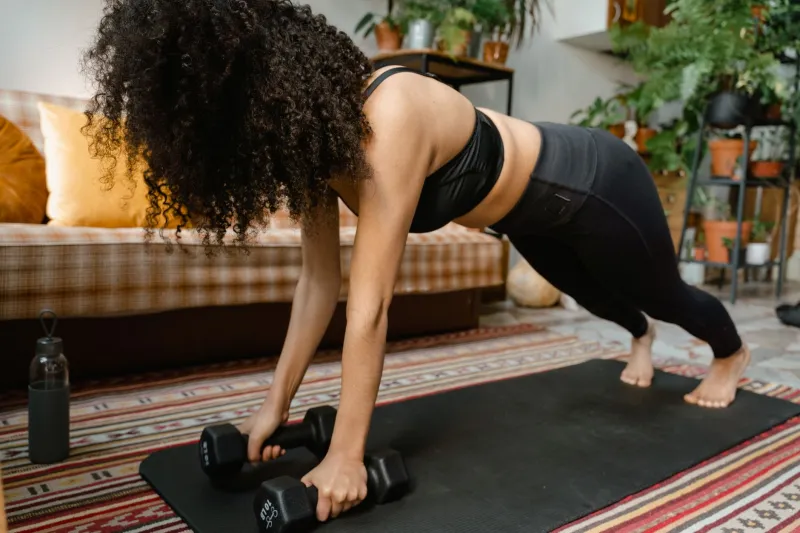
Meanwhile, a growing segment of the population has quietly been building out home training spaces — some modest, some impressive — and discovering that working out consistently is a lot easier when the "gym" is 30 feet from your bedroom.
So which approach actually wins in 2024? The answer, as with most things in fitness, depends on your goals, your personality, and how you define "winning." But the financial math is a lot clearer than most people think — and it strongly favors the home gym crowd.
Breaking Down the True Cost of a Gym Membership
At face value, $50 a month sounds reasonable. But let's build out the full picture.
Average annual gym membership cost (US, 2024): $600–$1,200
That's just the base membership. Add in:
- Initiation or enrollment fees: $0–$150 (common at mid-tier gyms)
- Personal training sessions: $50–$100 per session (if you use them)
- Commute costs: Gas, tolls, or public transit — even a modest 15-minute round trip adds up to 90+ hours per year in transit time
- Gym-adjacent spending: Post-workout smoothies, workout gear you feel pressured to upgrade because you're in public, parking fees
When you factor in commute time as an economic cost — time you could spend working, resting, or actually exercising — the real annual cost of a gym membership climbs considerably past what's on your credit card statement.
Over five years, a mid-range gym membership (let's say $65/month plus a $75 enrollment fee and modest commute costs) runs you roughly $4,500 to $6,000. And that's assuming you don't cancel and re-enroll, which most people do at least once.
What a Home Gym Actually Costs
Here's where it gets interesting. Home gym costs are front-loaded — you spend more upfront and far less over time. Let's look at three realistic budget tiers.
Tier 1: The Minimalist Setup ($200–$500)
Perfect for bodyweight training, mobility work, and light resistance work. This is the "I just need to move more consistently" setup.
- Adjustable resistance bands set: $30–$50
- Yoga mat: $25–$60
- Jump rope: $15–$25
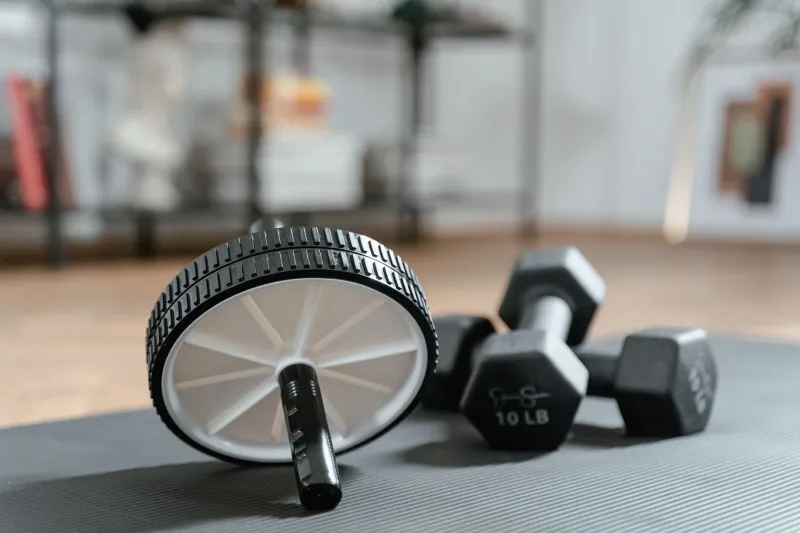
- A pair of light dumbbells (10–25 lbs): $50–$120
- Pull-up bar (doorframe-mounted): $25–$50
- Total: ~$145–$305
Add a quality streaming workout program (like what you'll find right here at Fit At Home) for $10–$20/month, and you've got a complete training system for under $500 in year one — and under $250 every year after that.
Tier 2: The Balanced Home Gym ($800–$2,000)
This is the sweet spot for most people — enough equipment to train seriously across multiple fitness goals without breaking the bank.
- Adjustable dumbbells (up to 50 lbs per hand): $200–$400
- Flat/incline bench: $150–$300
- Kettlebell set (2–3 weights): $100–$200
- Resistance bands (full set): $40–$80
- Foam roller and mobility tools: $30–$60
- Flooring (rubber gym tiles): $80–$200
- Total: ~$600–$1,240
At this level, you can train for strength, endurance, mobility, and body composition — covering about 90% of what most gym-goers actually do at a commercial facility.
Tier 3: The Premium Home Training Space ($3,000–$8,000+)
For the serious lifter, athlete, or someone who wants a true gym-quality experience at home.
- Power rack with pull-up attachment: $400–$1,500
- Olympic barbell and weight plates: $400–$800
- Cardio equipment (rower, bike, or treadmill): $600–$2,500
- Cable machine or functional trainer: $500–$2,000
- Full flooring, mirrors, lighting: $300–$800
- Total: ~$2,200–$7,600
Even at this top tier, you break even with a gym membership within 4–6 years — and then the savings compound indefinitely.
The Consistency Factor: Where Home Gyms Quietly Win
Here's the data point that doesn't get talked about enough: proximity is the single biggest predictor of workout consistency.
A study from the American Journal of Health Promotion found that people who lived within one mile of a fitness facility worked out more frequently — not because the gym was better, but because the barrier to entry was lower. Now apply that logic to a home gym, where the "commute" is measured in footsteps.
Anecdotal evidence from the Fit At Home community echoes this consistently. Members who previously struggled to get to the gym three times a week report hitting five or six sessions once they set up even a basic home training space. The friction of packing a bag, driving, finding parking, and navigating a crowded floor simply vanishes.
There's also the intimidation factor. Commercial gyms can be socially overwhelming, particularly for beginners. Training at home removes the self-consciousness and lets people focus entirely on their workout — which tends to mean better form, better effort, and better results.
The Case for Keeping a Gym Membership (Yes, Really)
In the interest of being straight with you: gym memberships aren't worthless. They make sense if:
- You train with a specific community or sports team
- You need access to very specialized equipment (Olympic lifting platforms, specific machines)
- You live in a small apartment with zero space for equipment
- The social accountability of a gym environment is genuinely what keeps you consistent
For these folks, the membership fee is buying something a home setup can't fully replicate. That's a legitimate value exchange.
But for the majority of remote workers, suburban homeowners, and fitness enthusiasts who primarily want to stay healthy, build strength, and manage their weight? The home gym wins on almost every metric.
How to Make the Switch (Without Blowing Your Budget)
If you're ready to cut the cord on your membership, don't try to build your entire home gym in one weekend. Start with Tier 1 — a mat, some bands, and a jump rope — and train consistently for 60 days. Then assess what you actually need based on the workouts you're doing.
Buy used whenever possible. Facebook Marketplace, Craigslist, and OfferUp are goldmines for quality gym equipment, especially dumbbells and benches, often at 30–50% below retail.
Pair your equipment with a structured program. Equipment without a plan is just stuff sitting in your garage. A good home workout program — the kind that progresses you week over week — is what turns a few pieces of gear into real results.
At Fit At Home, that's exactly what we're built for. Real workouts, real progression, zero commute. The math checks out — and so does the lifestyle.