Ditch the Mirror: The Surprising Reason Your Home Gym Reflection Is Killing Your Drive
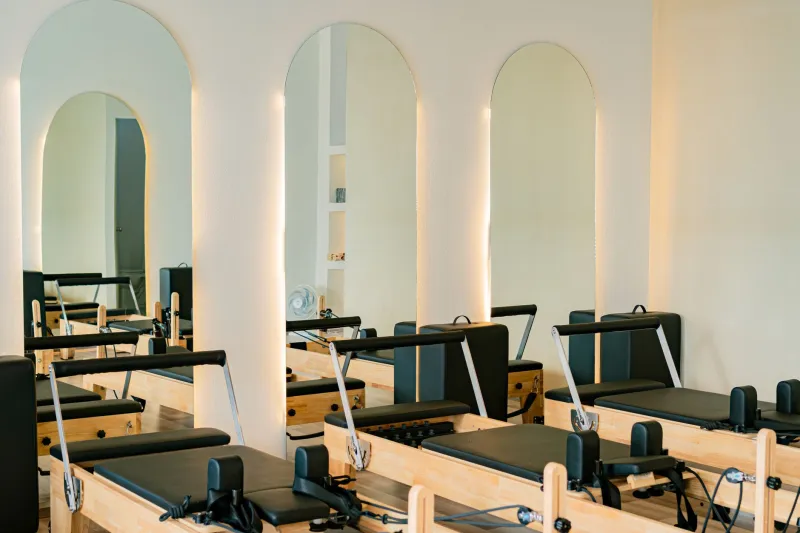
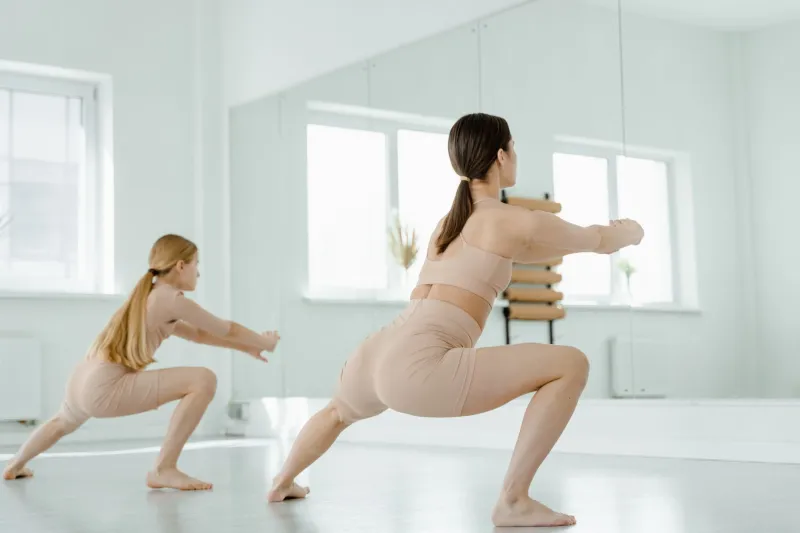
There's a good chance your home gym has at least one mirror in it. Maybe you picked one up at IKEA, propped a full-length against the wall, or even splurged on a dedicated wall mount. The fitness world has sold mirrors as non-negotiable for decades — you need them to check your form, right? You need to see yourself squatting to know if your knees are caving.
Except... what if that logic is actually working against you?
A growing body of research on self-awareness and exercise psychology suggests that for many people — especially those who aren't competitive athletes or advanced lifters — mirrors in workout spaces create a subtle but persistent psychological drag. One that quietly chips away at your desire to keep coming back.
What Mirrors Actually Do to Your Brain
Here's the thing about seeing yourself exercise: it forces what psychologists call objective self-awareness. That's the mental state where you become acutely conscious of yourself as an observed subject. Normally, that kind of self-focus can motivate improvement. But during physical exercise, it tends to do the opposite.
A study published in the Health Psychology journal found that women who exercised in front of mirrors reported lower levels of energy, more negative feelings about their bodies, and less enjoyment during their workout — compared to women in mirror-free environments. And it didn't matter how fit they were going in. The mirror effect hit across the board.
For home workouts specifically, this matters a lot. When you're at a commercial gym, you're surrounded by other people, equipment, energy, and social cues that pull your attention outward. At home, it's just you, your living room, and that reflection staring back. The mirror becomes a magnifying glass for every insecurity you walked in with.
You notice your form looks off. You notice you look tired. You catch yourself mid-rep thinking about how your arms look instead of whether you're actually engaging your lats. That mental noise adds up — and over time, it makes the couch a much more appealing option than the workout mat.
The Form-Check Myth
Okay, but what about actually needing mirrors to check your form? That's the argument that always comes up, and it's worth addressing directly.
For professional athletes and competitive lifters, real-time visual feedback during complex movements has legitimate value. But for most people doing home workouts — bodyweight circuits, dumbbell routines, yoga flows, HIIT sessions — mirrors are a pretty imprecise tool for form correction anyway.
Here's why: you can't actually see most of what matters. You can't see your posterior chain engagement. You can't see whether your core is bracing. You can't see the subtle hip shift happening at the bottom of your squat when you're looking at yourself from the front. And trying to watch yourself while moving actually breaks the mind-muscle connection you're trying to build.
The better alternatives? They work, and they're easier to implement than you'd think.
Practical Alternatives That Actually Work
Phone Positioning
Set your phone up at a side angle — or even a slight rear angle — before you start your set. Record a single rep or two, then review. You'll catch far more about your actual mechanics in a three-second playback than you will from staring at a front-facing mirror during the entire set. Apps like Coach's Eye or even just slow-motion iPhone video give you information you can actually act on, without the real-time psychological noise.
Tactile Awareness Training
This one sounds fancy but it's really just learning to feel what your body is doing. Place a hand on your hip crease during a hinge to feel whether you're actually pushing your hips back. Use a wall for feedback during squats to check depth without needing to see it. Over time, this proprioceptive training makes you a better mover than mirror-watching ever could — because you're building internal awareness instead of dependence on external cues.
Audio Cues
A lot of quality home workout programs (including ones right here at Fit At Home) use verbal coaching cues that are designed to replace visual feedback. When your trainer says "drive through your heel" or "pull your shoulder blades together," that's body-position guidance delivered through sound instead of sight. Lean into it. Close your eyes during certain movements. You might be surprised how much your form actually improves.
If You're Not Ready to Go Mirror-Free
Fair enough — some people genuinely find mirrors helpful for certain movements, and there's no reason to go cold turkey if that's you. The key is strategic placement rather than all-or-nothing.
Instead of positioning a mirror directly in front of your workout space (where it becomes an unavoidable focal point), try moving it to a side wall where you'd need to consciously turn to use it. This makes mirror-checking an intentional act rather than a passive, constant one. You look when you want feedback; you don't look when you're in the zone.
Another option: cover it during your warmup and main workout, then uncover for a specific skill check at the end. This creates a deliberate boundary between "performance mode" and "assessment mode" — two mental states that don't mix well when they're running simultaneously.
The Consistency Payoff
Here's the real bottom line for home fitness: the workout you actually do beats the perfectly monitored workout you skip every single time.
If mirrors are making your home gym feel like a judgment booth rather than a place you want to be, that's a problem worth solving — not just accepting. The best home workout setup is one that lowers friction and makes you want to come back tomorrow. Sometimes that means rethinking the equipment you thought was essential.
Try going mirror-free for two weeks. Use your phone for form checks. Focus on how your body feels instead of how it looks. Track whether you're showing up more consistently, feeling more energized post-workout, and actually enjoying the process more.
The results might just surprise you — and you won't need a mirror to see them.