Home Gym Math Nobody Talks About: The Real Price of Skipping the Commute
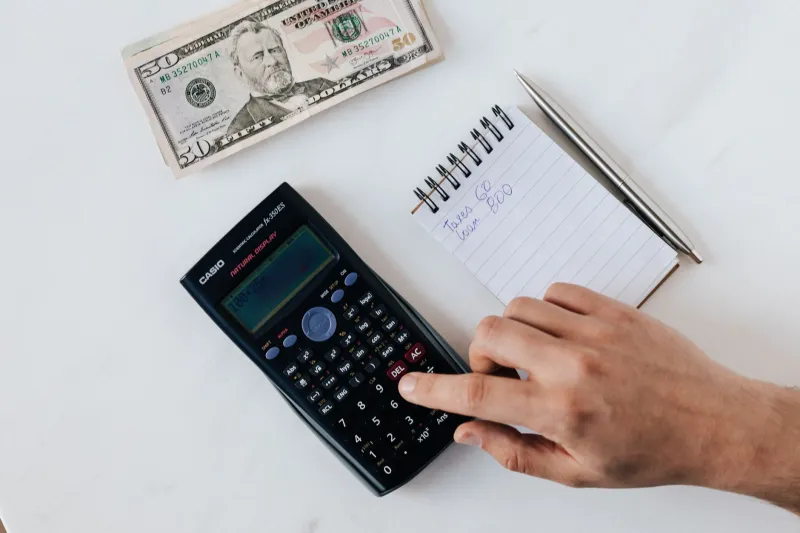
Everybody loves the pitch. No membership fees. No gas. No waiting around for someone to finish hogging the cable machine. Working out at home sounds like the financially responsible move — the kind of choice that makes you feel quietly superior at dinner parties.
But here's the thing: the "home gym is cheaper" argument usually falls apart the moment you actually start tracking what you spend. Not just on equipment — though that gets out of hand fast — but on all the small, invisible costs that accumulate in the background like a slow leak under your floorboards.
This isn't a case against home training. Not even close. But if you're making fitness decisions based on a budget you haven't actually calculated, it's worth slowing down and doing the real math.
The Equipment Spiral Is More Common Than You Think
It usually starts innocently enough. A yoga mat. A pair of adjustable dumbbells. Maybe a resistance band set because it was $30 and looked useful.
Then you watch one video about kettlebell training and suddenly you're browsing REI at midnight. A pull-up bar goes up in the doorframe. A foam roller appears. You buy a jump rope because cardio, right? Three months later, a squat rack arrives in a box that takes two people and one very tense afternoon to assemble.
The American fitness equipment market hit over $12 billion in 2023. A meaningful chunk of that is regular people building home gyms one impulse purchase at a time. If you've spent more than $1,500 on equipment in the past two years and you're not using every piece of it weekly, you're not saving money — you're just storing money in rubber and steel.
The fix isn't to never buy anything. It's to plan purchases around your actual programming, not your aspirational self.
Subscriptions Add Up Quietly
Here's where it gets interesting. Most home fitness enthusiasts are paying for more services than they consciously realize.
Run through your monthly statements and count how many of these apply: a fitness app subscription, a YouTube Premium account (because ads during workouts are genuinely unbearable), a streaming service you keep primarily for workout content, a nutrition tracking app, a wearable fitness device subscription, and possibly a sleep or recovery monitoring service on top of that.
At the low end, that's maybe $30 a month. At the high end — with a premium coaching app, a connected device like a Peloton or Tonal, and a couple of supplementary services — you could easily be north of $150 monthly. That's $1,800 a year, which is competitive with a solid gym membership in most US cities.
None of these subscriptions are inherently wasteful. But knowing what you're actually spending lets you make intentional choices instead of just defaulting to "well, it's still cheaper than the gym."
The Electricity and Space Equation
Two costs that almost never make it into home gym budget conversations: electricity and square footage.
If you're running a space heater or portable AC unit to make your garage gym usable year-round, you're adding real money to your utility bill — anywhere from $20 to $80 a month depending on your setup and climate. Run a treadmill or a connected fitness bike regularly, and that number climbs further.
The square footage question is subtler but arguably more significant. If you've converted a spare bedroom, a section of your garage, or a corner of your living room into workout space, you've made a real estate decision. In most US housing markets, that space has value — whether as a rental, a home office, or simply as living space that isn't cluttered with a squat rack and resistance bands.
This isn't a reason to panic. It's just worth acknowledging that "free" space isn't actually free.
The Time Cost Nobody Measures
The commute you eliminated? It was doing more than just eating your time.
For a lot of people, the drive to the gym served as a transition ritual — a mental buffer between work mode and workout mode. Without it, many home trainers find themselves spending 10 to 20 minutes puttering around before they actually start moving. Reorganizing equipment. Scrolling for the right playlist. Deciding whether to do legs or upper body for the fourth time that week.
Over a year of consistent training, that pre-workout drift can add up to 15 to 30 hours of lost time. Not catastrophic, but worth knowing about — especially if one of your reasons for training at home was efficiency.
So Is It Actually Worth It?
For most people, honestly? Yes — but not for the reasons they initially think.
The financial argument for home training gets weaker the more you scrutinize it, especially for people who already own a gym membership elsewhere or who tend to accumulate equipment they don't fully use. But the convenience argument, the autonomy argument, and the consistency argument all hold up remarkably well.
When your workout space is 30 feet from your kitchen, you show up more. You do shorter sessions without guilt. You train around your actual schedule instead of trying to fit into a gym's peak hours. For a lot of people, that consistency is worth more than any dollar amount.
The move isn't to abandon home training because it's not as cheap as advertised. The move is to build a setup that's genuinely right-sized for your goals, your space, and your budget — rather than one that grew organically out of late-night Amazon browsing and fitness content algorithms.
Know what you're spending. Know what you're getting. Then make the choice with your eyes open.
That's how you actually win the home gym math problem.